Facets of a Diamond – Blog
All music comes from the mother. From the rhythmic pulsation which we felt when inside her, and then later from her cradling and rocking, her lilt and her lullaby. And all love came from her – and all negativity. Within each of us there are two mothers, the one we
My dear friend and esteemed colleague Robert Fulford, D.O., passed on on this day in 1997. He was a remarkable healer and wonderful friend. This was how I heard the news of his passing, from his son Richard.
In this free video, Dr. Diamond shares the highest affirmation he has found. He describes how both to sing it aloud, and how to use it in meditation.
Let's start by considering the word's origin. When you consult the Oxford English Dictionary you make a surprising discovery: Holism is a very new word.
Look at that block of stone. Feel its spirit. Then ask yourself, Should it be sculpted?
Free video about the artificial nature of standardized tuning in music, and the higher Life Energy that can be experienced through a more natural tuning.
“There is a tide in the affairs of men,” Shakespeare proclaimed. Not a force or power, or a direction, but a tide.
A tide: ebb and flow, ebb and flow. Movement, always movement; ever changing yet ever recurring. Always advancing through time—to where? To where? Back and forth, round and round, and on and on.
I stand
I believe that the basic blind spot is the birthing trauma, and that later traumas are then overlaid on it.
Drawing on the work of Sir Isaiah Berlin, Dr. Diamond distinguishes two types of people: “Hedgehogs,” who have a central philosophy that animates all they do, and “foxes,” who know many small things.
See more videos by Dr Diamond on his YouTube channel.
Photography teaches me
to see the little things,
not the wide river—
too much—much too much—
but the tiny ripples
flowing round the twig.I learn to love Her
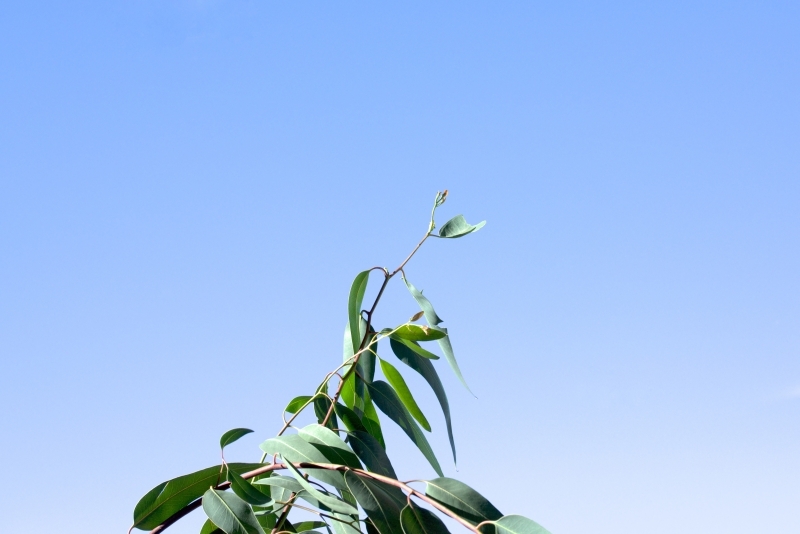
through Her tiny things. Photograph by John Diamond, M.D.
On the day